
Awareness Makes a Difference With Plantar Fasciitis

Understanding the early signs of plantar fasciitis can help prevent the condition from becoming a long lasting source of heel discomfort. Many people first notice a sharp ache when taking the first steps in the morning or after sitting for a while. This irritation develops when the thick band of tissue along the bottom of the foot becomes strained, often from overuse, inadequate support, or tight calf muscles. Paying attention to these early signals allows you to adjust activity, improve footwear, and explore gentle stretching before the pain becomes more persistent. Ignoring the issue can affect walking, balance, and overall mobility. Staying informed encourages quicker relief and helps protect the long-term health of your feet. If you have recurring heel pain or morning stiffness, it is suggested that you schedule an appointment with a podiatrist for appropriate guidance.

Plantar fasciitis can be very painful and inconvenient. If you are experiencing heel pain or symptoms of plantar fasciitis, contact Steven Lashley, DPM  from Florida. Our doctor can provide the care you need to keep you pain-free and on your feet.

What Is Plantar Fasciitis?

Plantar fasciitis is the inflammation of the thick band of tissue that runs along the bottom of your foot, known as the plantar fascia, and causes mild to severe heel pain.

What Causes Plantar Fasciitis?

  • Excessive running
  • Non-supportive shoes
  • Overpronation
  • Repeated stretching and tearing of the plantar fascia

How Can It Be Treated?

  • Conservative measures – anti-inflammatories, ice packs, stretching exercises, physical therapy, orthotic devices
  • Shockwave therapy – sound waves are sent to the affected area to facilitate healing and are usually used for chronic cases of plantar fasciitis
  • Surgery – usually only used as a last resort when all else fails. The plantar fascia can be surgically detached from the heel

While very treatable, plantar fasciitis is definitely not something that should be ignored. Especially in severe cases, speaking to your doctor right away is highly recommended to avoid complications and severe heel pain. Your podiatrist can work with you to provide the appropriate treatment options tailored to your condition.

If you have any questions, please feel free to contact our office located in Boynton Beach, FL . We offer the newest diagnostic and treatment technologies for all your foot care needs.

Read more about Plantar Fasciitis

How Orthotics Enhance Running Performance and Comfort

Orthotics can significantly improve a runner’s comfort, speed, and overall performance. By providing customized support and alignment, orthotics help distribute pressure evenly across the feet, reducing strain on muscles and joints. Many runners experience increased speed and endurance as proper foot mechanics promote efficient movement and reduce fatigue. Enhanced comfort allows for longer training sessions with fewer aches and pains. Orthotics also lower the risk of common running injuries, such as plantar fasciitis, shin splints, and knee pain. A podiatrist can assess your gait and design orthotics tailored to your specific needs. If you enjoy running, it is suggested that you consult a podiatrist for a personalized evaluation to optimize your running experience and protect your foot health.

Custom orthotics are specialized shoe inserts created to support and align the feet according to each person’s unique structure and walking pattern. They are an effective way to relieve foot discomfort caused by conditions such as flat feet, high arches, plantar fasciitis, bunions, and heel pain. When the natural alignment of the foot is off balance, it can lead to pressure points, strain, and pain that affect how a person stands, walks, and moves. Orthotics work by redistributing weight evenly and supporting the arch to reduce stress on the muscles, tendons, and joints of the feet and lower legs.

Foot discomfort can develop for many reasons, including wearing improper footwear, long hours of standing, repetitive motion, or underlying structural problems. Over time, this discomfort can extend beyond the feet, contributing to knee, hip, or lower back pain. Custom orthotics help correct these issues by improving alignment and promoting more efficient movement. They are made using precise measurements and imaging to ensure the best fit for each patient, providing targeted support and cushioning where it is needed most.

Unlike generic insoles, custom orthotics are durable, medically designed, and tailored to your specific needs. Whether you are managing chronic pain, recovering from an injury, or simply seeking better comfort and stability, orthotics can make a noticeable difference in how your feet feel throughout the day.

If you are experiencing persistent foot discomfort or fatigue, it may be time to have your feet evaluated by a podiatrist. Call our office today for more information or to schedule an appointment.

If you have any questions, please feel free to contact our office located in Boynton Beach, FL

Read more about Sole Marketing Foot Discomfort

Understanding the Ankle Brachial Index Test

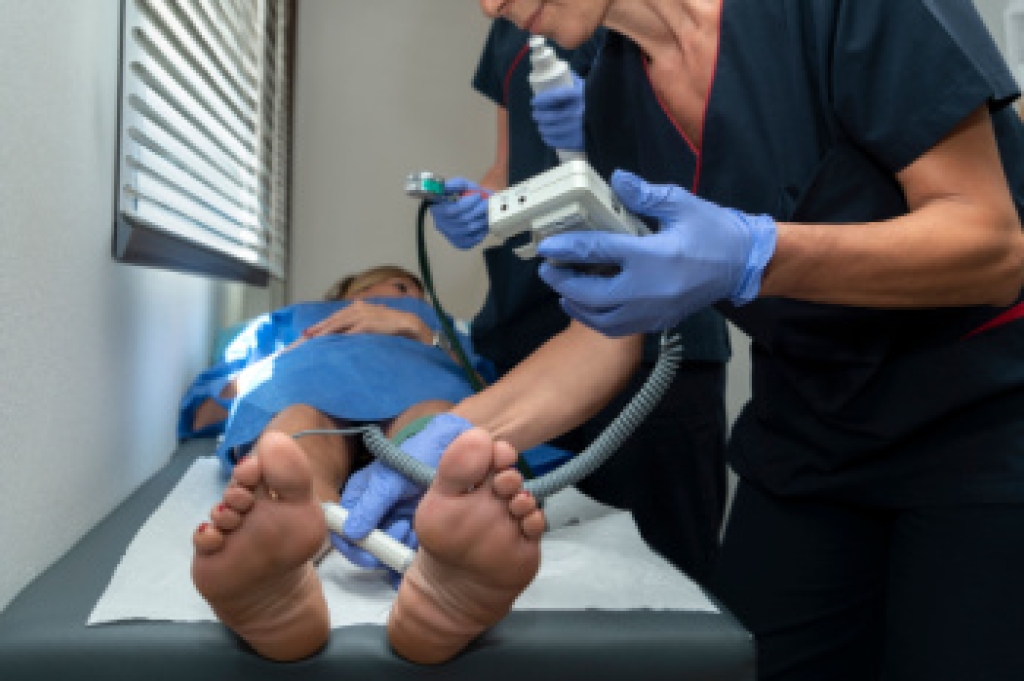
An ankle brachial index test, often called an ABI, is a simple, noninvasive way to measure how well blood is flowing to your legs and feet. It compares the blood pressure in your ankle to the blood pressure in your arm. When these numbers are evaluated together, they can show whether circulation is reduced, which is a key sign of peripheral artery disease. The test is quick, comfortable, and performed in many podiatry offices. This evaluation is especially important for people who experience leg cramps while walking, have slow-healing wounds, or live with conditions such as diabetes or vascular disease. By identifying circulation problems early, providers can recommend treatments or lifestyle changes that help protect long-term mobility and prevent serious complications. If you notice leg pain, cold feet, or wounds that are not healing, it is suggested that you see a podiatrist for proper testing and guidance.

Vascular testing plays an important part in diagnosing disease like peripheral artery disease. If you have symptoms of peripheral artery disease, or diabetes, consult with Steven Lashley, DPM from Florida. Our doctor will assess your condition and provide you with quality foot and ankle treatment.

What Is Vascular Testing?

Vascular testing checks for how well blood circulation is in the veins and arteries. This is most often done to determine and treat a patient for peripheral artery disease (PAD), stroke, and aneurysms. Podiatrists utilize vascular testing when a patient has symptoms of PAD or if they believe they might. If a patient has diabetes, a podiatrist may determine a vascular test to be prudent to check for poor blood circulation.

How Is it Conducted?

Most forms of vascular testing are non-invasive. Podiatrists will first conduct a visual inspection for any wounds, discoloration, and any abnormal signs prior to a vascular test.

 The most common tests include:

  • Ankle-Brachial Index (ABI) examination
  • Doppler examination
  • Pedal pulses

These tests are safe, painless, and easy to do. Once finished, the podiatrist can then provide a diagnosis and the best course for treatment.

If you have any questions please contact our office located in Boynton Beach, FL . We offer the newest diagnostic and treatment technologies for all your foot and ankle needs.

Read more about Vascular Testing in Podiatry

Keeping Corns and Calluses From Slowing You Down

Corns and calluses form when the skin protects itself from repeated friction or pressure, often caused by wearing tight shoes, high heels, or areas of the foot that bear extra weight. While they are common, they can become uncomfortable when the thickened skin begins to press deeper into sensitive tissue. Choosing footwear with enough room in the toe box, wearing socks that reduce rubbing, and keeping the skin lightly moisturized can help limit irritation. Gentle care is helpful, but persistent or painful spots should not be filed down aggressively at home because this can worsen the problem. A podiatrist can determine why the thickened skin developed, address any underlying structural issues, and provide safe ways to reduce pressure. If corns or calluses keep returning or are starting to cause pain, it is suggested that you see a podiatrist for proper evaluation and appropriate care.

If you have any concerns regarding your feet and ankles, contact Steven Lashley, DPM of Florida. Our doctor will treat your foot and ankle needs.

Corns: What Are They? and How Do You Get Rid of Them?
Corns can be described as areas of the skin that have thickened to the point of becoming painful or irritating. They are often layers and layers of the skin that have become dry and rough, and are normally smaller than calluses.

Ways to Prevent Corns
There are many ways to get rid of painful corns such as wearing:

  • Well-fitting socks
  • Comfortable shoes that are not tight around your foot
  • Shoes that offer support

Treating Corns
Treatment of corns involves removing the dead skin that has built up in the specific area of the foot. Consult with Our doctor to determine the best treatment option for your case of corns.

If you have any questions, please feel free to contact our office located in Boynton Beach, FL . We offer the newest diagnostic and treatment technologies for all your foot care needs.

Read more about Corns: What Are They, and How Do You Get Rid of Them

Heel Pain in the Morning?

Heel pain can negatively affect your day-to-day life. Simple activities like walking can become incredibly uncomfortable or painful due to heel pain.

Don’t live with heel pain and get treated.

scroll to top