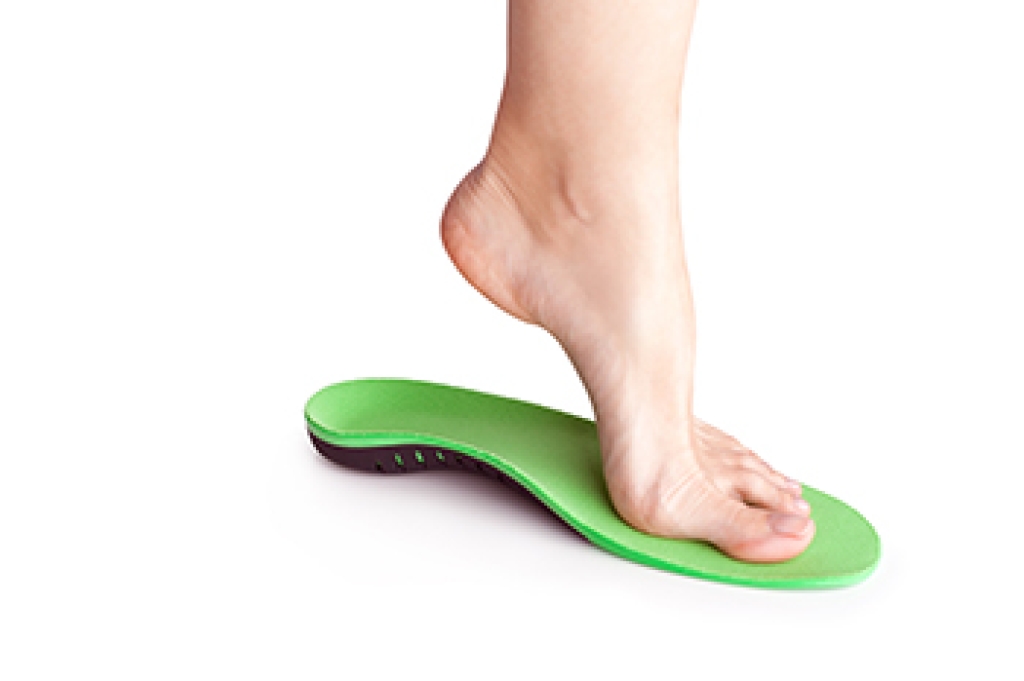
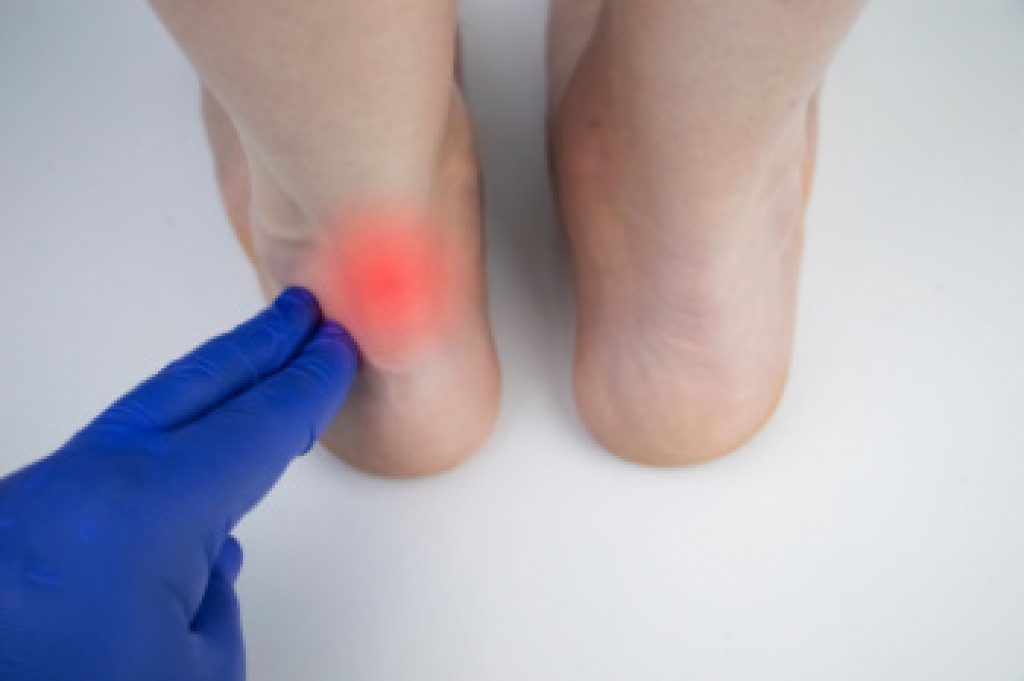
Step into relief and reclaim your mobility! Foot and heel pain can be a thing of the past with the right Custom Orthotics. Customized to your unique foot structure, they provide the support and alignment needed to alleviate discomfort. Whether you're walking, running, or simply standing, Custom Orthotics ensure every step is cushioned and pain-free. Don't let foot ailments dictate your day. With Custom Orthotics, embrace a world of comfort and freedom. Call today to schedule an appointment.
Toe and forefoot fractures can happen after a direct injury, like hitting the foot against a hard object or dropping something on the toes. A fracture is a break or crack in a bone. The forefoot contains five long bones called metatarsals, with the smaller bones that form the toes. Fractures can develop from repeated stress or after a sudden increase in physical activity. Pain and swelling are common signs. Bruising, pain while walking, and a change in the shape of a toe can also occur. A fracture does not always look obvious, so an evaluation is important when foot pain follows an injury or continues with activity.
A podiatrist can examine the foot and ask how the injury happened. The examination focuses on swelling, tenderness, bruising, changes in shape, and other signs of injury. X-rays can help show most toe and forefoot fractures. However, a stress fracture can be difficult to see on an early X-ray because it can begin as a small crack. When a stress fracture is suspected but does not appear on an X-ray, a podiatrist can determine whether additional imaging is appropriate. A diagnosis helps identify the location and type of fracture and guides treatment.
Treatment for toe and forefoot fractures depends on the location, type, and position of the broken bone. Many fractures can heal without surgery. A podiatrist can provide treatment that supports the bone while it heals, which can include a walking boot, cast, or other form of immobilization. Some fractures require the bone to be moved back into proper position, while more serious or unstable fractures can require surgery. Follow-up visits can help a podiatrist check whether the bone is staying aligned and healing properly. Recovery can take several weeks, and some fractures require a longer period of time before normal activity is safe. If you have symptoms of toe and forefoot fractures, it is suggested that you schedule an appointment with a podiatrist for a diagnosis and appropriate treatment.
A broken toe can be very painful and lead to complications if not properly fixed. If you have any concerns about your feet, contact Steven Lashley, DPM from Florida. Our doctor will treat your foot and ankle needs.
What to Know About a Broken Toe
Although most people try to avoid foot trauma such as banging, stubbing, or dropping heavy objects on their feet, the unfortunate fact is that it is a common occurrence. Given the fact that toes are positioned in front of the feet, they typically sustain the brunt of such trauma. When trauma occurs to a toe, the result can be a painful break (fracture).
Symptoms of a Broken Toe
Throbbing pain
Swelling
Bruising on the skin and toenail
The inability to move the toe
Toe appears crooked or disfigured
Tingling or numbness in the toe
Generally, it is best to stay off of the injured toe with the affected foot elevated.
Severe toe fractures may be treated with a splint, cast, and in some cases, minor surgery. Due to its position and the pressure it endures with daily activity, future complications can occur if the big toe is not properly treated.
If you have any questions, please feel free to contact our office located in Boynton Beach, FL. We offer the newest diagnostic and treatment technologies for all your foot care needs.
Orthotics are specialized devices placed in shoes to address foot pain, and problems in the hips, knees, and lower back due to overuse or misalignment. They can enhance stability, lessen pain, and redistribute pressure. While many find quick comfort with orthotics, the adjustment period can vary. Typically, podiatrists advise to gradually increase wear time by an hour daily, over a week. Some individuals may need a slower adjustment, especially if discomfort arises. For sports, it is recommended to comfortably wear orthotics for a week before incorporating them in athletic activities. Cleaning with mild soap and lukewarm water is ideal, ensuring they are dry before reuse to prevent fungal growth. Blisters can occasionally appear but can usually be managed. Wearing proper footwear enhances orthotic efficacy, and it is essential to choose shoes compatible with orthotics. If orthotics cause foot aches, it indicates adaptation to new movement patterns. If you have orthotics that are causing discomfort or are considering them, it is suggested that you make an appointment with a podiatrist who can design orthotics for you and review their fit for optimal comfort and function.
Custom orthotics can be an important solution for reducing foot pain by targeting its structural causes rather than just the symptoms. When the feet are misaligned, excess strain develops in the muscles, tendons, and ligaments, often resulting in discomfort in the arches, balls of the feet, or toes. Orthotics are designed to match each foot’s natural shape, supporting proper alignment and evenly distributing pressure to ease pain and improve movement.
Foot pain is commonly caused by overuse, wearing improper footwear, or biomechanical issues that place added stress on sensitive areas. By stabilizing the foot and restoring natural motion, custom orthotics help reduce strain, calm inflammation, and promote healing. Many patients experience lasting relief and greater comfort while walking, standing, or exercising.
Created from a detailed assessment using advanced imaging or casting, each pair of orthotics is tailored to your individual needs. If you are experiencing ongoing foot pain, it is suggested that you contact our office for an evaluation and treatment.
If you have any questions, please feel free to contact our office located in Boynton Beach, FL.
Achilles tendon injuries affect the strong band of tissue that connects the calf muscles to the heel bone. This tendon helps the foot push off the ground while walking, running, or jumping. An injury can happen when the tendon is suddenly stressed or repeatedly strained. Achilles tendon problems include irritation, small tears, and a complete rupture, which means the tendon tears all the way through. Symptoms can include pain near the heel, swelling, and difficulty moving the foot normally. A sudden injury can also cause a popping or snapping feeling. People with an Achilles tendon injury may have trouble pushing off the foot or standing on their toes.
A podiatrist can evaluate an Achilles tendon injury by reviewing how the injury happened and examining the foot, ankle, and lower leg. The evaluation can include checking for swelling, tenderness, and changes in movement. A podiatrist can also assess how the tendon functions when the foot and ankle move. Treatment depends on the type and severity of the injury. Care can include protecting the injured tendon, using support to limit movement, and guiding a gradual return to normal activity. A podiatrist can explain the available treatment options and monitor the tendon as it heals. Proper treatment is important because returning to demanding activities too quickly can place additional stress on the injured tendon.
Achilles tendon injuries can make walking, exercise, and other activities difficult. A complete tendon tear can cause significant weakness and should be evaluated promptly. Pain that continues, swelling near the heel, or difficulty pushing off the foot can also indicate that the tendon needs professional evaluation. A podiatrist can determine the severity of the injury and develop a treatment plan based on your symptoms and examination. Early evaluation can help protect the tendon and support a safer recovery. If you have sustained an Achilles tendon injury, it is suggested that you schedule an appointment with a podiatrist for effective relief and treatment solutions.
Achilles tendon injuries need immediate attention to avoid future complications. If you have any concerns, contact Steven Lashley, DPM of Florida. Our doctor can provide the care you need to keep you pain-free and on your feet.
What Is the Achilles Tendon?
The Achilles tendon is a tendon that connects the lower leg muscles and calf to the heel of the foot. It is the strongest tendon in the human body and is essential for making movement possible. Because this tendon is such an integral part of the body, any injuries to it can create immense difficulties and should immediately be presented to a doctor.
What Are the Symptoms of an Achilles Tendon Injury?
There are various types of injuries that can affect the Achilles tendon. The two most common injuries are Achilles tendinitis and ruptures of the tendon.
Achilles Tendinitis Symptoms
Inflammation
Dull to severe pain
Increased blood flow to the tendon
Thickening of the tendon
Rupture Symptoms
Extreme pain and swelling in the foot
Total immobility
Treatment and Prevention
Achilles tendon injuries are diagnosed by a thorough physical evaluation, which can include an MRI. Treatment involves rest, physical therapy, and in some cases, surgery. However, various preventative measures can be taken to avoid these injuries, such as:
Thorough stretching of the tendon before and after exercise
Strengthening exercises like calf raises, squats, leg curls, leg extensions, leg raises, lunges, and leg presses
If you have any questions please feel free to contact our office located in Boynton Beach, FL. We offer the newest diagnostic tools and technology to treat your foot and ankle needs.
If left untreated, an ingrown toenail can lead to more serious concerns, such as an infection. Knowing proper nail care can help in the prevention of an ingrown toenail. Give us a call, and get treated!