
Plantar warts are small growths that develop on parts of the feet that bear weight. They're typically found on the bottom of the foot. Don't live with plantar warts, and call us today!
Plantar warts are small growths that develop on parts of the feet that bear weight. They're typically found on the bottom of the foot. Don't live with plantar warts, and call us today!

Ankle pain is a widespread condition that can limit movement, affect balance, and reduce overall quality of life. It may result from a sudden injury or develop gradually due to joint wear and degeneration. Common causes include sprains, fractures, and cartilage damage within the joint. Individuals often report swelling, reduced range of motion, and ongoing discomfort during walking or standing. Risk factors such as aging, excess body weight, repetitive strain, and a history of ankle injuries can increase the likelihood of developing chronic symptoms. Without proper care, ankle pain may worsen over time and interfere with daily activities.
When non-surgical treatments such as rest, bracing, and orthotics do not provide relief, ankle arthroplasty may be considered. This type of foot surgery, often referred to as total ankle replacement, involves removing damaged joint surfaces and replacing them with artificial components. The goal is to restore smoother movement while reducing pain. In contrast to ankle fusion, which restricts motion, this approach is designed to preserve flexibility and support a more natural walking pattern.
The surgery is performed in a sterile setting by a trained podiatric surgeon. Damaged bone and cartilage are carefully removed, and prosthetic components made of durable metal and medical-grade plastic are inserted to recreate the joint. Following surgery, patients participate in a structured recovery plan that includes gradual weight-bearing and guided rehabilitation. Many patients experience improved alignment, decreased pain, and better overall function after healing.
Ankle arthroplasty is not appropriate for every patient. Those with severe deformity, compromised bone quality, or active infection may require alternative treatment options. A detailed evaluation is essential to determine candidacy and ensure the best outcome. If you have chronic ankle pain and are considering this procedure, it is suggested that you consult a podiatrist who can determine if this type of foot surgery is appropriate for your condition.
Foot surgery is sometimes necessary to treat a foot ailment. To learn more, contact Steven Lashley, DPM of Florida. Our doctor will assist you with all of your foot and ankle needs.
When Is Surgery Necessary?
Foot and ankle surgery is generally reserved for cases in which less invasive, conservative procedures have failed to alleviate the problem. Some of the cases in which surgery may be necessary include:
What Types of Surgery Are There?
The type of surgery you receive will depend on the nature of the problem you have. Some of the possible surgeries include:
Benefits of Surgery
Although surgery is usually a last resort, it can provide more complete pain relief compared to non-surgical methods and may allow you to finally resume full activity.
Surgical techniques have also become increasingly sophisticated. Techniques like endoscopic surgery allow for smaller incisions and faster recovery times.
If you have any questions, please feel free to contact our office located in Boynton Beach, FL . We offer the newest diagnostic and treatment technologies for all your foot care needs.

A black toenail, medically referred to as a subungual hematoma, develops when blood becomes trapped beneath the nail due to repeated trauma. This condition is especially common among runners who engage in frequent or long-distance training. The constant forward motion of the foot inside a shoe causes the toes to repeatedly strike the front, leading to bruising under the nail. Over time, this repetitive impact can damage the nail bed and result in noticeable discoloration.
Early symptoms often include tenderness, pressure, and mild discomfort in the affected toe. As blood accumulates, the nail may turn shades of dark red, purple, or black. Some individuals experience a throbbing sensation, particularly after running or extended physical activity. In more severe cases, the nail may loosen or eventually fall off. This discomfort can interfere with daily activities and make it difficult to maintain a regular training routine without proper care.
The primary cause of a black toenail is repetitive stress linked to running mechanics. Wearing ill-fitting shoes, especially those that are too tight or too short, significantly increases pressure on the toes. Activities such as downhill running or sudden stops can force the toes forward, intensifying the impact. Additionally, poor running form and long training sessions without sufficient rest can further contribute to nail damage and irritation.
Several risk factors increase the likelihood of developing this condition, including long-distance running, wearing improper footwear, and inadequate nail maintenance. Preventive strategies include keeping toenails trimmed, wearing properly fitted running shoes, and choosing moisture-wicking socks to reduce friction. Maintaining proper foot alignment and gradually increasing training intensity can also help minimize stress on the toes. Toe issues can be uncomfortable, and often cause difficulty in running. If toe pain persists, it is suggested that you consult a podiatrist for appropriate treatment and prevention guidance.
Toe pain can disrupt your daily activities. If you have any concerns, contact Steven Lashley, DPM of Florida. Our doctor can provide the care you need to keep you pain-free and on your feet.
What Causes Toe Pain?
Most severe toe pain is caused due to a sports injury, trauma from dropping something heavy on the toe, or bumping into something rigid. Other problems can develop over time for various reasons.
Toe pain can be caused by one or more ailments. The most common include:
When to See a Podiatrist
Diagnosis
In many cases the cause of toe pain is obvious, but in others, a podiatrist may want to use more advanced methods to determine the problem. These can range from simple visual inspections and sensation tests to X-rays and MRI scans. Prior medical history, family medical history, and any recent physical traumatic events will all be taken into consideration for a proper diagnosis.
Treatment
Treatments for toe pain and injuries vary and may include shoe inserts, padding, taping, medicines, injections, and in some cases, surgery. If you believe that you have broken a toe, please see a podiatrist as soon as possible.
If you have any questions please contact our office located in Boynton Beach, FL . We offer the newest diagnostic and treatment technologies for all your foot and ankle needs.

Rain or shine, snow or sleet, Custom Orthotics have your feet covered! As the seasons change, ensure your steps remain comfortable and supported. Custom Orthotics adapt to your footwear, from summer sandals to winter boots, providing consistent relief and alignment. Don't let the changing weather dictate your foot comfort. Step confidently year-round and experience the difference with Custom Orthotics. Call today for more information.
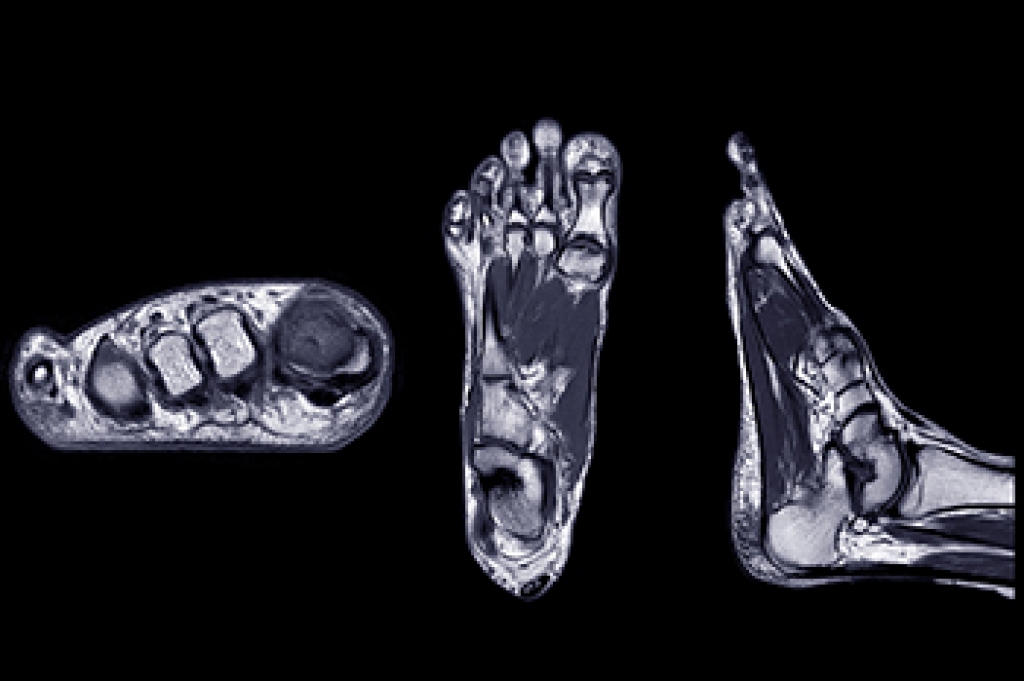
Osteomyelitis is a serious bone infection that can affect the feet and ankles. It can begin when bacteria enter through a wound, ulcer, or deep cut. People with diabetes, poor circulation, or reduced feeling in the feet face a higher risk. Because sensation can be limited, a small sore can become infected before pain is noticed. Warning signs can include swelling, redness, and drainage from a wound. Some patients also develop fever or deep foot pain. In the foot, osteomyelitis can damage bone and nearby tissue when it is not treated promptly.
A podiatrist can help identify osteomyelitis through a careful foot exam and a review of your health history. The exam includes checking the wound, skin color, and blood flow. It also includes looking for areas of pressure that can slow healing. X-rays can show bone changes, but early infection does not always appear right away. An MRI, which creates detailed pictures of bone and soft tissue, can help confirm the diagnosis. Lab tests can also help find the type of bacteria causing the infection.
Treatment depends on how severe the infection is and how much bone is involved. A podiatrist can clean the wound, remove damaged tissue, and coordinate antibiotic treatment. Antibiotics are medicines that fight bacterial infection. In some cases, surgery is needed to remove infected bone and protect the rest of the foot. A podiatrist can also help reduce pressure on the affected area with medical padding, special shoes, or a custom device. Prompt care is important because osteomyelitis can lead to long-term foot damage. If you have symptoms of osteomyelitis, it is suggested that you make an appointment with a podiatrist for diagnosis and treatment.
Foot Pain
Foot pain can be extremely painful and debilitating. If you have a foot pain, consult with Steven Lashley, DPM from Florida. Our doctor will assess your condition and provide you with quality foot and ankle treatment.
Causes
Foot pain is a very broad condition that could be caused by one or more ailments. The most common include:
Diagnosis
To figure out the cause of foot pain, podiatrists utilize several different methods. This can range from simple visual inspections and sensation tests to X-rays and MRI scans. Prior medical history, family medical history, and any recent physical traumatic events will all be taken into consideration for a proper diagnosis.
Treatment
Treatment depends upon the cause of the foot pain. Whether it is resting, staying off the foot, or having surgery; podiatrists have a number of treatment options available for foot pain.
If you have any questions, please feel free to contact our office located in Boynton Beach, FL . We offer the newest diagnostic and treatment technologies for all your foot care needs.
