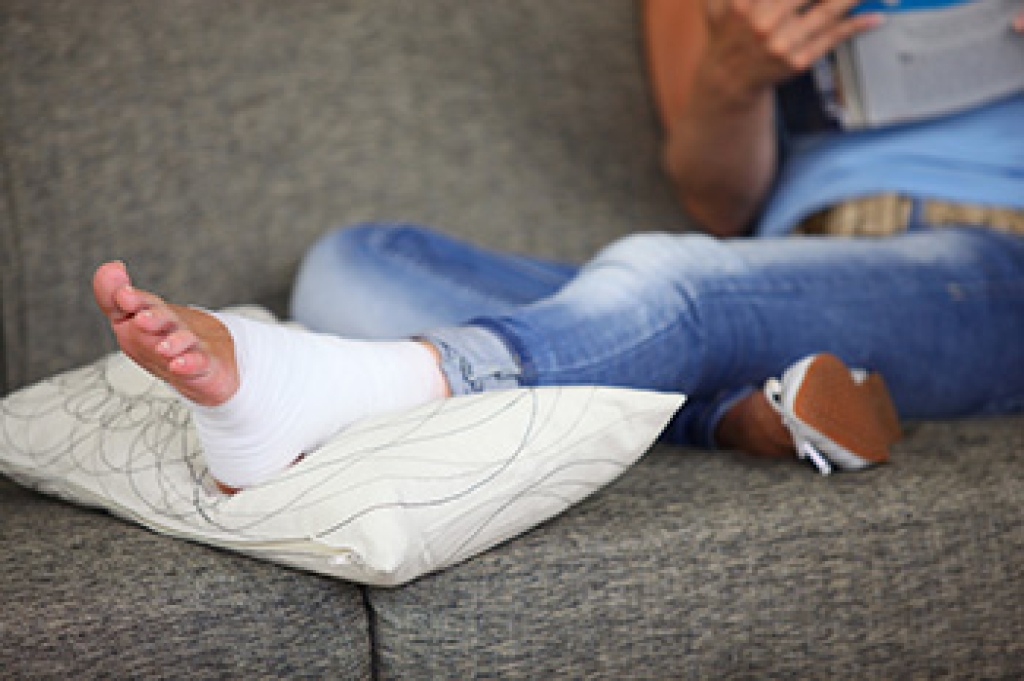
An injury involving the Achille’s tendon, especially a rupture, can leave ongoing issues even after healing. People often report reduced strength in the lower leg, making activities like pushing off the foot or climbing stairs more difficult. Limited flexibility and ankle stiffness may persist, especially after rest. Muscle shrinkage in the calf can occur due to disuse during recovery, sometimes creating an uneven appearance between legs. Changes in walking or movement patterns are also common, which may place extra stress on nearby joints such as the knees or hips. Some individuals continue to feel tightness or discomfort long term, while others face a higher chance of reinjury if they return to activity too quickly. Proper rehabilitation, gradual strengthening, and targeted exercises are important to help restore mobility, improve function, and reduce the risk of lasting complications. If you have sustained an injury to your Achille’s tendon, it is suggested that you see a podiatrist for appropriate treatment.
Achilles tendon injuries need immediate attention to avoid future complications. If you have any concerns, contact Steven Lashley, DPM of Florida. Our doctor can provide the care you need to keep you pain-free and on your feet.
What Is the Achilles Tendon?
The Achilles tendon is a tendon that connects the lower leg muscles and calf to the heel of the foot. It is the strongest tendon in the human body and is essential for making movement possible. Because this tendon is such an integral part of the body, any injuries to it can create immense difficulties and should immediately be presented to a doctor.
What Are the Symptoms of an Achilles Tendon Injury?
There are various types of injuries that can affect the Achilles tendon. The two most common injuries are Achilles tendinitis and ruptures of the tendon.
Achilles Tendinitis Symptoms
- Inflammation
- Dull to severe pain
- Increased blood flow to the tendon
- Thickening of the tendon
Rupture Symptoms
- Extreme pain and swelling in the foot
- Total immobility
Treatment and Prevention
Achilles tendon injuries are diagnosed by a thorough physical evaluation, which can include an MRI. Treatment involves rest, physical therapy, and in some cases, surgery. However, various preventative measures can be taken to avoid these injuries, such as:
- Thorough stretching of the tendon before and after exercise
- Strengthening exercises like calf raises, squats, leg curls, leg extensions, leg raises, lunges, and leg presses
If you have any questions please feel free to contact our office located in Boynton Beach, FL . We offer the newest diagnostic tools and technology to treat your foot and ankle needs.