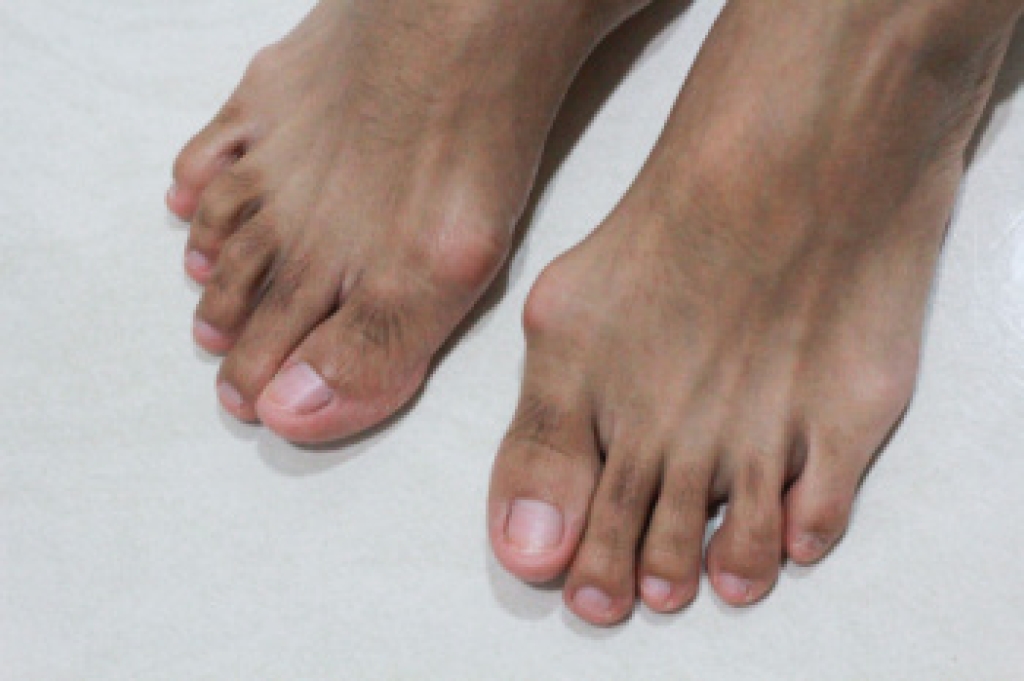
Causes of Big Toe Pain

Pain in the big toe joint can come from several conditions, but bunions and gout are two common causes that feel very different. A bunion develops slowly as the big toe shifts toward the second toe, creating a bony bump on the side of the joint. The area may be enlarged, irritated by shoes, and sore after long periods of walking or standing. In contrast, gout often appears suddenly. The joint may become red, swollen, and extremely painful within hours. Many patients describe the pain as burning or throbbing, and the skin may feel warm and tight. Bunions are usually linked to foot structure, genetics, or long-term pressure from footwear. Gout is caused by uric acid crystals building up inside the joint. A podiatrist can evaluate the toe through examination and imaging to determine the source of the pain. Treatment may include supportive footwear, custom orthotics, medication, or surgical correction for severe bunions. If you have pain in the big toe, it is suggested that you make an appointment with a podiatrist for a diagnosis and treatment.

If you are suffering from bunion pain, contact Steven Lashley, DPM of Florida. Our doctor can provide the care you need to keep you pain-free and on your feet.

What Is a Bunion?

Bunions are painful bony bumps that usually develop on the inside of the foot at the joint of the big toe. As the deformity increases over time, it may become painful to walk and wear shoes. Women are more likely to exacerbate existing bunions since they often wear tight, narrow shoes that shift their toes together. Bunion pain can be relieved by wearing wider shoes with enough room for the toes.

Causes

  • Genetics – some people inherit feet that are more prone to bunion development
  • Inflammatory Conditions - rheumatoid arthritis and polio may cause bunion development

Symptoms

  • Redness and inflammation
  • Pain and tenderness
  • Callus or corns on the bump
  • Restricted motion in the big toe

In order to diagnose your bunion, your podiatrist may ask about your medical history, symptoms, and general health. Your doctor might also order an x-ray to take a closer look at your feet. Nonsurgical treatment options include orthotics, padding, icing, changes in footwear, and medication. If nonsurgical treatments don’t alleviate your bunion pain, surgery may be necessary.

If you have any questions, please feel free to contact our office located in Boynton Beach, FL . We offer the newest diagnostic and treatment technologies for all your foot care needs.


Read more about Bunions

What Are Symptoms of Athlete’s Foot?

Athlete's foot is a fungal infection that affects the skin of the feet, particularly between the toes. This condition develops when fungi grow in warm, moist environments that allow organisms to multiply and irritate the skin. Symptoms include itching, burning, redness, peeling skin, cracking, and discomfort while walking. Causes include prolonged moisture exposure, shared locker rooms, tight footwear, and inadequate foot hygiene. Risk factors can include excessive sweating, walking barefoot in public shower areas, and wearing non-breathable shoes for extended periods of time. Environments like gyms, swimming areas, and communal changing rooms may increase exposure. A podiatrist can diagnose the infection, recommend antifungal treatment, and guide prevention strategies. Athlete's foot can be uncomfortable. If you have any of the above symptoms, it is suggested that you consult a podiatrist who can provide effective relief and treatment solutions, which may include prescribed medication.

Athlete’s Foot

Athlete’s foot is often an uncomfortable condition to experience. Thankfully, podiatrists specialize in treating athlete’s foot and offer the best treatment options. If you have any questions about athlete’s foot, consult with Steven Lashley, DPM from Florida. Our doctor will assess your condition and provide you with quality treatment.

What Is Athlete’s Foot?

Tinea pedis, more commonly known as athlete’s foot, is a non-serious and common fungal infection of the foot. Athlete’s foot is contagious and can be contracted by touching someone who has it or infected surfaces. The most common places contaminated by it are public showers, locker rooms, and swimming pools. Once contracted, it grows on feet that are left inside moist, dark, and warm shoes and socks.

Prevention

The most effective ways to prevent athlete’s foot include:

  • Thoroughly washing and drying feet
  • Avoid going barefoot in locker rooms and public showers
  • Using shower shoes in public showers
  • Wearing socks that allow the feet to breathe
  • Changing socks and shoes frequently if you sweat a lot

Symptoms

Athlete’s foot initially occurs as a rash between the toes. However, if left undiagnosed, it can spread to the sides and bottom of the feet, toenails, and if touched by hand, the hands themselves. Symptoms include:

  • Redness
  • Burning
  • Itching
  • Scaly and peeling skin

Diagnosis and Treatment

Diagnosis is quick and easy. Skin samples will be taken and either viewed under a microscope or sent to a lab for testing. Sometimes, a podiatrist can diagnose it based on simply looking at it. Once confirmed, treatment options include oral and topical antifungal medications.

If you have any questions, please feel free to contact our office located in Boynton Beach, FL . We offer the newest diagnostic and treatment technologies for all your foot care needs.

Read more about Athlete's Foot

Prevent Injury and Fatigue With Custom Orthotics

Custom Orthotics aren't just about comfort; they're your shield against injury and fatigue. By aligning your feet just right, they reduce strain on muscles and joints, ensuring you stay active longer without the usual wear and tear. Whether you're an athlete pushing limits or someone seeking day-to-day ease, Custom Orthotics offer the support you need. Don't let fatigue set the pace; with Custom Orthotics, you're always one step ahead. Call today for more information.

How an Ankle Fracture Can Disrupt Daily Life

An ankle fracture is more than a broken bone. It can affect nearly every part of daily living. Simple tasks such as walking, driving, cooking, or climbing stairs may suddenly become difficult. Many people require crutches, a walking boot, or even surgery, followed by weeks of limited movement. During recovery, muscle strength and joint flexibility often decrease, which can lead to stiffness and balance problems. Time away from work and reduced activity can also affect emotional well-being. Some individuals feel frustrated or isolated as they depend on others for help. For older adults, a fall-related fracture may increase concern about future mobility and independence. Even after the bone heals, lingering swelling or discomfort may continue for months. Proper treatment and guided rehabilitation play an important role in restoring strength and stability. If you have suffered an ankle injury with lasting pain or instability, it is suggested that you see a podiatrist for guidance.

Broken ankles need immediate treatment. If you are seeking treatment, contact Steven Lashley, DPM from Florida. Our doctor can provide the care you need to keep you pain-free and on your feet. 

Broken Ankles
A broken ankle is experienced when a person fractures their tibia or fibula in the lower leg and ankle area. Both of these bones are attached at the bottom of the leg and combine to form what we know to be our ankle.

When a physician is referring to a break of the ankle, he or she is usually referring to a break in the area where the tibia and fibula are joined to create our ankle joint. Ankles are more prone to fractures because the ankle is an area that suffers a lot of pressure and stress. There are some obvious signs when a person experiences a fractured ankle, and the following symptoms may be present.

Symptoms of a Fractured Ankle

  • Excessive pain when the area is touched or when any pressure is placed on the ankle
  • Swelling around the area
  • Bruising of the area
  • Area appears to be deformed

If you suspect an ankle fracture, it is recommended to seek treatment as soon as possible. The sooner you have your podiatrist diagnose the fracture, the quicker you’ll be on the way towards recovery.

If you have any questions, please feel free to contact our office located in Boynton Beach, FL . We offer the newest diagnostic and treatment technologies for all your foot care needs.

Read more about All About Broken Ankles

Managing Foot and Ankle Disorders With Orthotics

Foot orthotics are an effective solution for managing a wide range of foot and ankle disorders, helping to restore normal function, reduce pain, and improve mobility. By supporting proper alignment, redistributing pressure, and stabilizing the foot, orthotics can prevent further progression of conditions, such as plantar fasciopathy, flat feet, arthritis, or tendon injuries. They also enhance balance and gait efficiency, reducing strain on muscles and joints throughout the lower limbs. A podiatrist can evaluate foot structure, assess movement patterns, and design custom orthotics tailored to each patient’s specific needs. If foot or ankle discomfort is affecting your daily activities or limiting mobility, it is suggested that you consult a podiatrist who can guide you toward the right type of orthotics for relief.

Custom orthotics can be an important solution for reducing foot pain by targeting its structural causes rather than just the symptoms. When the feet are misaligned, excess strain develops in the muscles, tendons, and ligaments, often resulting in discomfort in the arches, balls of the feet, or toes. Orthotics are designed to match each foot’s natural shape, supporting proper alignment and evenly distributing pressure to ease pain and improve movement.

Foot pain is commonly caused by overuse, wearing improper footwear, or biomechanical issues that place added stress on sensitive areas. By stabilizing the foot and restoring natural motion, custom orthotics help reduce strain, calm inflammation, and promote healing. Many patients experience lasting relief and greater comfort while walking, standing, or exercising.

Created from a detailed assessment using advanced imaging or casting, each pair of orthotics is tailored to your individual needs. If you are experiencing ongoing foot pain, it is suggested that you contact our office for an evaluation and treatment.

If you have any questions, please feel free to contact our office located in Boynton Beach, FL .

Read more about Sole Marketing and Heel Pain
scroll to top