Common Reasons for Swollen Feet

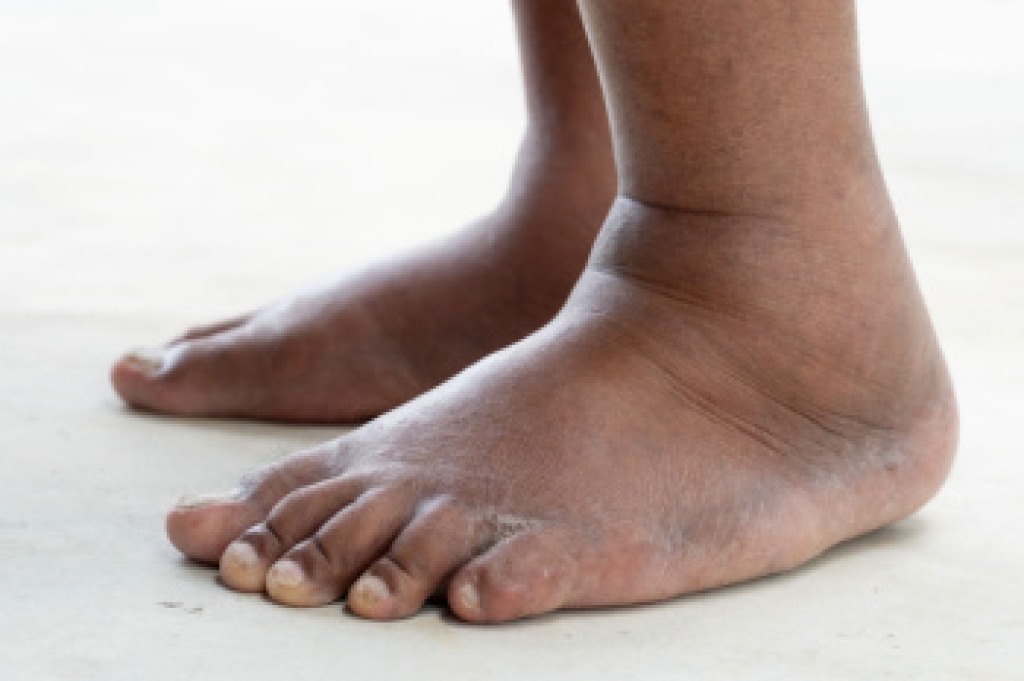
Swollen feet can result from a variety of underlying conditions that affect circulation, tissues, or overall health. An injury such as a sprain or fracture may cause localized swelling due to inflammation and fluid buildup. Edema occurs when excess fluid collects in the tissues, often related to prolonged standing or poor circulation. Infection can lead to redness, warmth, and swelling as the body responds to bacteria. Heart disease may contribute to fluid retention in the lower extremities due to reduced circulation efficiency. Additionally, pregnancy commonly causes swelling because of hormonal changes and increased pressure on blood vessels. A podiatrist can evaluate the cause and provide appropriate treatment. If you notice your feet have become swollen, it is suggested that you consult a podiatrist who can offer effective relief and treatment solutions.

Swollen feet can be a sign of an underlying condition. If you have any concerns, contact Steven Lashley, DPM of Florida. Our doctor can provide the care you need to keep you pain-free and on your feet.

Swollen feet are a common ailment among pregnant women and people who stand or sit for extended periods. Aging may increase the possibility of swollen feet and patients who are obese often notice when their feet are swelling too. There may be medical reasons why swollen feet occur:

  • Phlebitis - A condition that causes the veins to become inflamed and can also cause leg pain.
  • Liver disease - This may lead to low blood levels of albumin which is a protein. This can cause fluid in the blood to pass into the tissues and several areas of the body can become swollen.
  • Heart failure - When the heart doesn’t pump properly the blood that is normally pumped back to the heart can pool in the veins of the legs causing swollen feet.
  • Kidney disease - One of the main functions of the kidneys is releasing excess fluid in the body. This type of condition can make it difficult for the kidneys to function properly, and as a result the feet may become swollen.
  • Deep-vein thrombosis (DVT)- This is a serious condition where blood clots form in the veins of the legs. They can block the return of blood from the legs to the heart which may cause the feet to swell. It is important to be treated by a podiatrist if this condition is present.

Swollen feet can also be caused by bone and tendon conditions, including fractures, arthritis, and tendinitis. Additionally, there may be skin and toenail conditions and an infection may cause the feet to swell. Patients who take medicine to treat high blood pressure may be prone to getting swollen feet. 

Many patients elevate their feet to help relieve the swelling and this is generally a temporary remedy. When a podiatrist is consulted the reason behind the swelling can be uncovered and subsequently treated.

If you have any questions please contact our office located in Boynton Beach, FL . We offer the newest diagnostic and treatment technologies for all your foot and ankle needs.

Read more about Swelling of the Feet

Custom Orthotics Provide Relief From Heel Pain

Experiencing persistent heel pain? Custom Orthotics might be your solution. These custom-designed shoe inserts adapt to your unique foot structure, optimizing support and alleviating discomfort. By redistributing pressure, they can significantly reduce heel pain, enhancing your daily mobility. Dive into a pain-free lifestyle and elevate your walking experience. Curious about the benefits of Custom Orthotics?

Contact our office today.

Offloading Strategies That Help Foot Wounds Heal

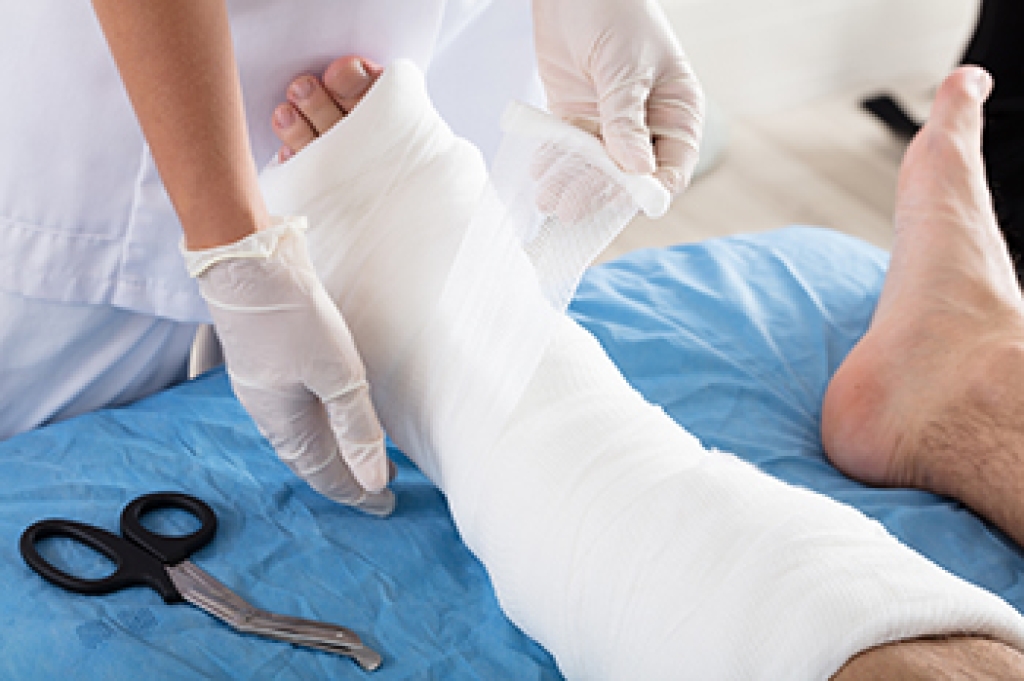
Wounds on the feet can develop for many reasons. Diabetes, poor circulation, nerve damage, pressure points, in addition to wearing ill-fitting shoes, surgery, and trauma can all break the skin and slow healing. Treatment often includes wound cleaning, infection control, specialized dressings, and sometimes antibiotics or advanced therapies. Offloading is just as important as these treatments. Offloading means reducing pressure on the wounded area so new tissue can form. This may involve a surgical shoe, removable boot, cast, custom insert, or temporary padding. When pressure continues, wounds reopen or fail to heal, even with good care. Proper offloading allows blood flow to improve and inflammation to settle. It also helps prevent deeper infection and further breakdown. Following offloading instructions at home is essential. Walking barefoot or skipping use of devices can reverse progress. Early care often improves outcomes. If you have sustained any kind of foot wound, it is suggested that you see a podiatrist for proper treatment and care.

Wound care is an important part in dealing with diabetes. If you have diabetes and a foot wound or would like more information about wound care for diabetics, consult with Steven Lashley, DPM from Florida. Our doctor will assess your condition and provide you with quality foot and ankle treatment.

What Is Wound Care?

Wound care is the practice of taking proper care of a wound. This can range from the smallest to the largest of wounds. While everyone can benefit from proper wound care, it is much more important for diabetics. Diabetics often suffer from poor blood circulation which causes wounds to heal much slower than they would in a non-diabetic. 

What Is the Importance of Wound Care?

While it may not seem apparent with small ulcers on the foot, for diabetics, any size ulcer can become infected. Diabetics often also suffer from neuropathy, or nerve loss. This means they might not even feel when they have an ulcer on their foot. If the wound becomes severely infected, amputation may be necessary. Therefore, it is of the upmost importance to properly care for any and all foot wounds.

How to Care for Wounds

The best way to care for foot wounds is to prevent them. For diabetics, this means daily inspections of the feet for any signs of abnormalities or ulcers. It is also recommended to see a podiatrist several times a year for a foot inspection. If you do have an ulcer, run the wound under water to clear dirt from the wound; then apply antibiotic ointment to the wound and cover with a bandage. Bandages should be changed daily and keeping pressure off the wound is smart. It is advised to see a podiatrist, who can keep an eye on it.

If you have any questions please contact our office located in Boynton Beach, FL . We offer the newest diagnostic and treatment technologies for all your foot and ankle needs.
Read more about Wound Care

Custom Orthotics for Healthy Aging and Foot Support

Custom orthotics offer important benefits for healthy older adults who want to stay active and independent. As feet change with age, proper support helps improve balance, stability, and comfort during daily activities. Orthotics can reduce pressure on sensitive areas, support natural arch function, and promote better alignment of the feet and lower extremities. These benefits may help decrease fatigue, lower the risk of falls, and make walking more comfortable. Wearing orthotics in everyday shoes can also support joints in the knees, hips, and lower back. A podiatrist can help by assessing foot health, gait, and lifestyle needs to create custom orthotics that fit properly in footwear. If you want to maintain mobility and comfort as you age, it is suggested that you schedule a podiatry consultation to explore how custom orthotics can support long term independence.

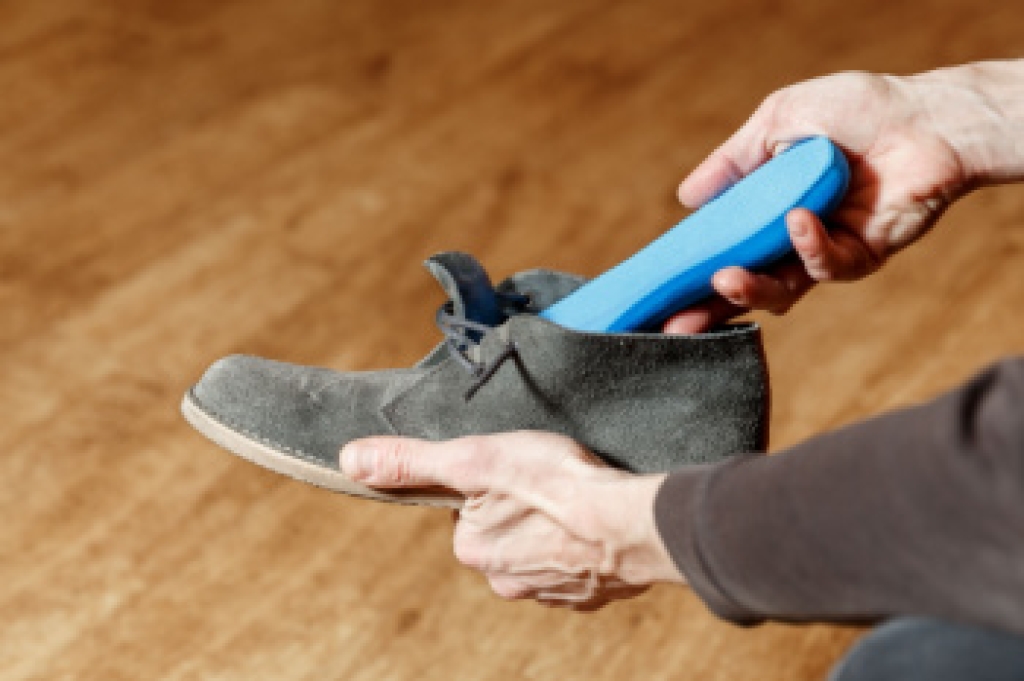
Custom orthotics are specialized shoe inserts created to support and align the feet according to each person’s unique structure and walking pattern. They are an effective way to relieve foot discomfort caused by conditions such as flat feet, high arches, plantar fasciitis, bunions, and heel pain. When the natural alignment of the foot is off balance, it can lead to pressure points, strain, and pain that affect how a person stands, walks, and moves. Orthotics work by redistributing weight evenly and supporting the arch to reduce stress on the muscles, tendons, and joints of the feet and lower legs.

Foot discomfort can develop for many reasons, including wearing improper footwear, long hours of standing, repetitive motion, or underlying structural problems. Over time, this discomfort can extend beyond the feet, contributing to knee, hip, or lower back pain. Custom orthotics help correct these issues by improving alignment and promoting more efficient movement. They are made using precise measurements and imaging to ensure the best fit for each patient, providing targeted support and cushioning where it is needed most.

Unlike generic insoles, custom orthotics are durable, medically designed, and tailored to your specific needs. Whether you are managing chronic pain, recovering from an injury, or simply seeking better comfort and stability, orthotics can make a noticeable difference in how your feet feel throughout the day.

If you are experiencing persistent foot discomfort or fatigue, it may be time to have your feet evaluated by a podiatrist. Call our office today for more information or to schedule an appointment.

If you have any questions, please feel free to contact our office located in Boynton Beach, FL

Read more about Sole Marketing Foot Pain

When You Might Need Surgery for Plantar Fasciitis

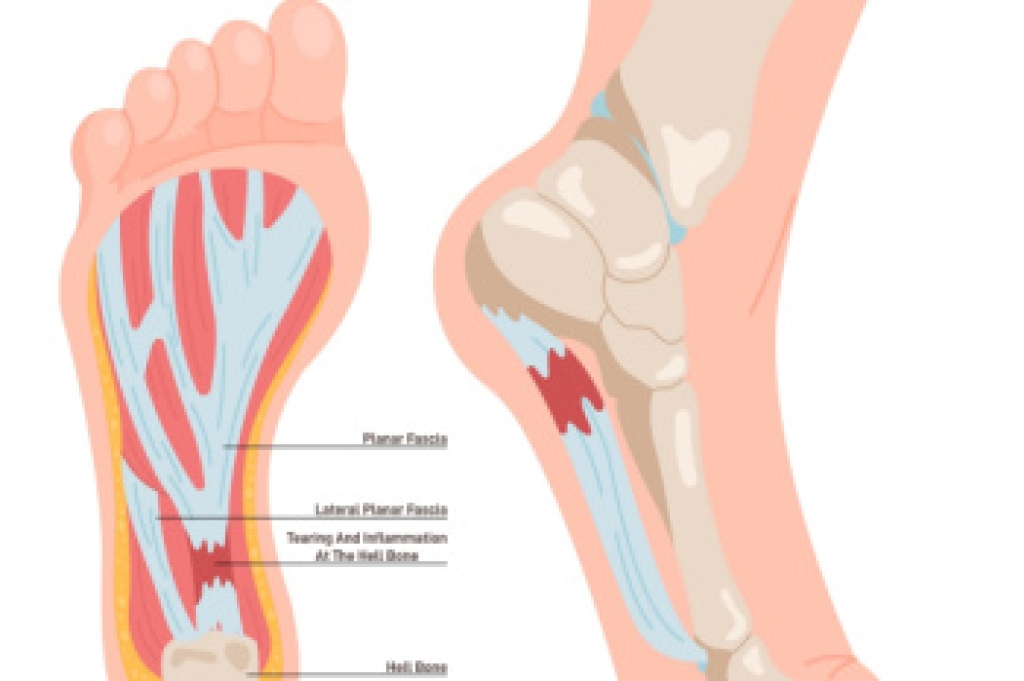
When ongoing heel pain caused by plantar fasciitis continues to limit walking and daily activity, surgery may become a consideration. The plantar fascia is a strong band of tissue that supports the arch and absorbs stress with walking or running. When inflammation and scarring continue for six months or longer despite professional care, a podiatrist may discuss surgical release as an option. A podiatrist evaluates foot structure, gait, imaging results, and overall health to determine the need for surgery. Surgery is not a first-line approach, but it may be posed when pain interferes with daily activities and other causes of heel pain have been ruled out. A plantar fasciotomy is designed to reduce tension from the heel bone, while a plantar fasciectomy also removes damaged tissue to improve mobility. The goal is lasting pain reduction. For help dealing with plantar fasciitis pain, it is suggested that you make an appointment with a podiatrist for an exam, diagnosis, and treatment.

Plantar fasciitis is a common foot condition that is often caused by a strain injury. If you are experiencing heel pain or symptoms of plantar fasciitis, contact Steven Lashley, DPM from Florida. Our doctor can provide the care you need to keep you pain-free and on your feet.

What Is Plantar Fasciitis?

Plantar fasciitis is one of the most common causes of heel pain. The plantar fascia is a ligament that connects your heel to the front of your foot. When this ligament becomes inflamed, plantar fasciitis is the result. If you have plantar fasciitis you will have a stabbing pain that usually occurs with your first steps in the morning. As the day progresses and you walk around more, this pain will start to disappear, but it will return after long periods of standing or sitting.

What Causes Plantar Fasciitis?

  • Excessive running
  • Having high arches in your feet
  • Other foot issues such as flat feet
  • Pregnancy (due to the sudden weight gain)
  • Being on your feet very often

There are some risk factors that may make you more likely to develop plantar fasciitis compared to others. The condition most commonly affects adults between the ages of 40 and 60. It also tends to affect people who are obese because the extra pounds result in extra stress being placed on the plantar fascia.

Prevention

  • Take good care of your feet – Wear shoes that have good arch support and heel cushioning.
  • Maintain a healthy weight
  • If you are a runner, alternate running with other sports that won’t cause heel pain

There are a variety of treatment options available for plantar fasciitis along with the pain that accompanies it. Additionally, physical therapy is a very important component in the treatment process. It is important that you meet with your podiatrist to determine which treatment option is best for you.

If you have any questions, please feel free to contact our office located in Boynton Beach, FL . We offer the newest diagnostic and treatment technologies for all your foot care needs.


Read more about Plantar Fasciitis
scroll to top