
Do you work on your feet all day and find your feet in pain? Don't go to work in pain each day. Your foot pain can be treated, and we can help.
Do you work on your feet all day and find your feet in pain? Don't go to work in pain each day. Your foot pain can be treated, and we can help.
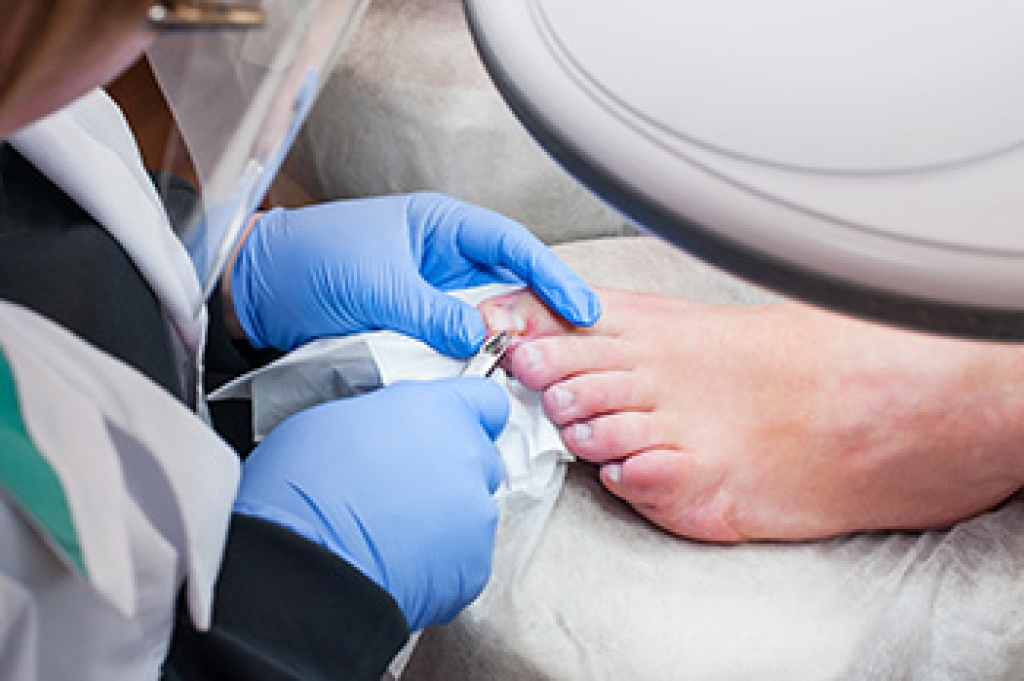
Ingrown toenail removal surgery is a simple procedure performed when the edge of a toenail grows into the surrounding skin and causes pain, swelling, or infection. It is needed when home care no longer helps, or when the condition keeps returning. During the procedure the podiatrist removes the offending nail edge and may treat the nail root to prevent it from growing back into the skin. Recovery is usually smooth with gentle wound care, clean dressings, and keeping pressure off the toe while it heals. A podiatrist guides every step to ensure comfort and prevent future problems. If you are struggling with persistent toenail pain or see signs of an infection, it is strongly suggested that you consult a podiatrist who can discuss the benefits of ingrown toenail surgery with you.
Foot surgery is sometimes necessary to treat a foot ailment. To learn more, contact Steven Lashley, DPM of Florida. Our doctor will assist you with all of your foot and ankle needs.
When Is Surgery Necessary?
Foot and ankle surgery is generally reserved for cases in which less invasive, conservative procedures have failed to alleviate the problem. Some of the cases in which surgery may be necessary include:
What Types of Surgery Are There?
The type of surgery you receive will depend on the nature of the problem you have. Some of the possible surgeries include:
Benefits of Surgery
Although surgery is usually a last resort, it can provide more complete pain relief compared to non-surgical methods and may allow you to finally resume full activity.
Surgical techniques have also become increasingly sophisticated. Techniques like endoscopic surgery allow for smaller incisions and faster recovery times.
If you have any questions, please feel free to contact our office located in Boynton Beach, FL . We offer the newest diagnostic and treatment technologies for all your foot care needs.

Gout is a form of inflammatory arthritis that occurs when uric acid builds up in the bloodstream and forms sharp crystals inside a joint. These crystals can trigger sudden episodes of intense pain, often centered in the big toe. The affected area may become swollen, warm, and extremely sensitive, making even light pressure difficult to tolerate. Flare ups may appear without warning and can last for days, if not treated. Some people experience lingering stiffness or tenderness after the most painful period has passed. Diet, genetics, certain medications, and underlying medical conditions can all influence uric acid levels. Recognizing these episodes early helps protect the joint and reduce the chance of recurring attacks. If you develop episodes of sharp toe pain or unexplained swelling, it is suggested that you schedule an appointment with a podiatrist for further evaluation.
Gout is a foot condition that requires certain treatment and care. If you are seeking treatment, contact Steven Lashley, DPM from Florida. Our doctor will treat your foot and ankle needs.
What Is Gout?
Gout is a type of arthritis caused by a buildup of uric acid in the bloodstream. It often develops in the foot, especially the big toe area, although it can manifest in other parts of the body as well. Gout can make walking and standing very painful and is especially common in diabetics and the obese.
People typically get gout because of a poor diet. Genetic predisposition is also a factor. The children of parents who have had gout frequently have a chance of developing it themselves.
Gout can easily be identified by redness and inflammation of the big toe and the surrounding areas of the foot. Other symptoms include extreme fatigue, joint pain, and running high fevers. Sometimes corticosteroid drugs can be prescribed to treat gout, but the best way to combat this disease is to get more exercise and eat a better diet.
If you have any questions, please feel free to contact our office located in Boynton Beach, FL . We offer the newest diagnostic and treatment technologies for all your foot care needs.

Considering bunion surgery? Think again. Custom Orthotics offer a non-surgical approach to reduce pain and restore foot function. Customized to your foot's structure, they realign and redistribute pressure, alleviating bunion discomfort. Experience the freedom of movement without the downtime and risks of surgery. Contact our office to make an appointment.

Understanding the early signs of plantar fasciitis can help prevent the condition from becoming a long lasting source of heel discomfort. Many people first notice a sharp ache when taking the first steps in the morning or after sitting for a while. This irritation develops when the thick band of tissue along the bottom of the foot becomes strained, often from overuse, inadequate support, or tight calf muscles. Paying attention to these early signals allows you to adjust activity, improve footwear, and explore gentle stretching before the pain becomes more persistent. Ignoring the issue can affect walking, balance, and overall mobility. Staying informed encourages quicker relief and helps protect the long-term health of your feet. If you have recurring heel pain or morning stiffness, it is suggested that you schedule an appointment with a podiatrist for appropriate guidance.
Plantar fasciitis can be very painful and inconvenient. If you are experiencing heel pain or symptoms of plantar fasciitis, contact Steven Lashley, DPM from Florida. Our doctor can provide the care you need to keep you pain-free and on your feet.
What Is Plantar Fasciitis?
Plantar fasciitis is the inflammation of the thick band of tissue that runs along the bottom of your foot, known as the plantar fascia, and causes mild to severe heel pain.
What Causes Plantar Fasciitis?
How Can It Be Treated?
While very treatable, plantar fasciitis is definitely not something that should be ignored. Especially in severe cases, speaking to your doctor right away is highly recommended to avoid complications and severe heel pain. Your podiatrist can work with you to provide the appropriate treatment options tailored to your condition.
If you have any questions, please feel free to contact our office located in Boynton Beach, FL . We offer the newest diagnostic and treatment technologies for all your foot care needs.
